
Understanding Skin & Ageing

Everyone’s skin changes over time — and the way those changes appear is different for each person. Factors like genetics, sun exposure, lifestyle, and overall health all play a role in how lines, texture, and volume shifts develop.
This guide is designed to give you insight into what typically happens with skin in different decades of life, along with treatment and support options that may be considered.
Remember: the information here is general in nature. The most accurate way to understand your own skin is through a personalised consultation.
Teens–20s:
Prevention & Early Skin Health
What’s happening with your skin
In the teens and 20s, skin is generally rich in collagen and elastin, which helps it remain firm and resilient.
At this stage, fine expression lines may appear with frowning, smiling, or squinting — but these are usually “dynamic wrinkles,” visible only during movement.
Factors such as hormonal changes, late nights, stress, and sun exposure can start to influence skin tone, hydration, and overall resilience.
Common contributors to early changes
UV exposure: Sunlight is the leading factor in early skin ageing. Even without visible lines, tanning and sunburn can gradually affect collagen.
Lifestyle choices: Smoking, alcohol, poor diet, and dehydration may impact skin health.
Facial movement: Repeated expressions can begin to create faint lines, especially on the forehead or between the brows.
Skin neglect: Skipping sunscreen and not maintaining hydration may accelerate visible changes.
Prevention and support
At this stage, the focus is usually on protection and maintenance rather than correction.
Consistent sun protection is one of the most effective strategies.
Medical-grade skincare (such as antioxidants, retinol, and hyaluronic acid) can support hydration and help minimise early changes in collagen.
Light professional treatments — for example, peels or skin needling — may support skin texture, acne scarring, and natural collagen production.
Wrinkle relax treatments (anti-wrinkle injections) may be an option for individuals with strong expression muscles, where early lines are beginning to form. Suitability is always assessed during a personalised consultation.
Why a consultation helps
Skin needs vary greatly. For some people in their early 20s, simple at-home care and lifestyle adjustments may be sufficient. Others, particularly with strong expression lines or high sun exposure, may benefit from early professional support. A consultation allows assessment of individual concerns and discussion of suitable options.
Your 30s:
First Static Wrinkles & Early Volume Changes
What’s happening with your skin
In your 30s, fine lines that once only appeared with smiling or frowning may begin to linger — these are known as static wrinkles, which are visible even when the face is at rest.
Collagen and elastin production gradually slow, so skin can feel a little less firm and resilient.
Hyaluronic acid levels also decline, which may lead to dryness or early texture changes.
Some people notice subtle volume changes around areas such as the cheeks or under-eyes, which can contribute to a “tired” look.
Common contributors in your 30s
Expression lines: Forehead, frown, and crow’s feet may become more established.
UV history: Sun exposure from earlier years can start to appear as pigmentation or fine lines.
Lifestyle stressors: Busy schedules, reduced sleep, and higher stress may impact skin repair.
Hormonal shifts: Pregnancy, postpartum, or contraceptive changes can influence skin quality.
Treatment and support options
The focus in this stage is often a balance between prevention and early correction.
Wrinkle relax treatments (anti-wrinkle injections) may be used to soften expression lines and reduce further development.
Volume & rejuvenation treatments (dermal fillers) may be considered in small amounts to restore subtle volume changes or refresh areas such as the under-eyes.
Skin rejuvenation therapies — including peels, skin needling, or collagen-stimulating treatments — may help with skin tone, texture, and hydration.
Medical-grade skincare (antioxidants, retinol, SPF) supports daily skin health and complements in-clinic care.
Why a consultation helps
Everyone’s skin changes differently. Some people in their early 30s may still only have faint lines, while others experience more established static wrinkles. A personalised consultation allows an assessment of individual concerns and a discussion of suitable treatment options.
Your 40s:
Deeper Lines & Noticeable Skin Changes
What’s happening with your skin
By the 40s, wrinkles that began forming earlier are often more noticeable — especially on the forehead, between the brows, and around the eyes (crow’s feet).
Collagen and elastin decline becomes more significant, so skin may feel thinner, less firm, and slower to recover.
Natural facial volume also shifts, as fat pads in the cheeks and temples gradually reduce, which can create areas of hollowness or sagging.
Skin cell turnover slows further, which may contribute to dullness, uneven tone, or rougher texture.
Hormonal changes, including peri-menopause in some women, can also influence hydration and skin thickness.
Common contributors in your 40s
Expression lines: Lines that appeared in the 30s may deepen and become more visible at rest.
Volume changes: Mid-face and jawline support reduces, contributing to folds or heaviness.
Environmental exposure: Sun, stress, and lifestyle factors from previous decades often become more evident.
Reduced repair: Slower healing and a natural decline in antioxidants can make skin more vulnerable.
Treatment and support options
Focus in this decade is often on maintaining skin strength and addressing more established changes.
Wrinkle relax treatments may be used to soften lines and reduce further development.
Volume & rejuvenation treatments (dermal fillers) may help restore mid-face, temple, or jawline support and balance facial proportions.
Collagen-stimulating therapies (skin needling, bio-remodelling, or energy-based options) may assist with firmness and skin quality.
Chemical peels and advanced skincare can help with pigmentation, uneven tone, and brightness.
A consistent medical-grade skincare routine with SPF, retinoids, and antioxidants supports long-term skin health.
Why a consultation helps
Everyone experiences skin changes differently in their 40s. Some may have only fine lines, while others notice more volume loss or texture changes. A personalised consultation allows assessment of individual concerns and discussion of suitable approaches.
Your 50s–60s:
Advanced Wrinkles, Volume Shifts & Skin Texture
What’s happening with your skin
By the 50s and 60s, natural ageing tends to be more visible.
Wrinkles and folds often deepen, especially around the mouth (nasolabial folds and marionette lines), eyes, and forehead.
Volume loss continues as fat pads in the cheeks, temples, and under-eyes shrink or shift, while bone structure also changes subtly over time.
Skin may feel thinner and drier due to reduced collagen, elastin, and natural oil production.
Hormonal changes, such as menopause, can further reduce skin thickness and elasticity.
Pigmentation, uneven tone, and age spots also become more common.
Common contributors in your 50s–60s
Cumulative sun exposure: Years of UV can appear as deeper wrinkles, pigmentation, and texture changes.
Collagen and elastin decline: Natural reduction makes skin looser and more fragile.
Gravity and volume changes: Cheeks, jawline, and under-eyes lose support, contributing to sagging or hollowing.
Lifestyle factors: Stress, smoking, alcohol, and diet may accelerate visible ageing.
Treatment and support options
Care at this stage often involves a combination of approaches to support skin structure and appearance.
Wrinkle relax treatments may help soften established lines and reduce further development.
Volume & rejuvenation treatments (dermal fillers) may restore support in areas such as the cheeks, temples, jawline, and lips.
Collagen-stimulating therapies (skin needling, bio-remodelling, selected peels) may help with firmness and overall quality.
Advanced peels or resurfacing can address uneven tone and texture.
Medical-grade skincare with ingredients such as retinoids, antioxidants, and peptides supports skin health between treatments.
A holistic approach — combining injectables with skin treatments — is often considered for balanced, natural-looking results.
Why a consultation helps
By the 50s and 60s, most people benefit from a tailored combination of treatments. A consultation provides an opportunity to review skin condition, medical history, and goals, ensuring that any treatment plan is personalised and appropriate.
Your 70s+:
Advanced Wrinkles & Ongoing Skin Support
What’s happening with your skin
By the 70s and beyond, natural ageing is usually well established.
Wrinkles and folds may appear deeper and more widespread, often across the forehead, eyes, mouth, and neck.
Volume loss becomes more significant as fat pads shrink and bone density changes, which can alter facial structure.
Skin tends to feel thinner and more fragile due to ongoing collagen and elastin decline.
Dryness and sensitivity are more common as oil production slows and the skin barrier weakens.
Pigmentation and age spots may also become more noticeable.
Common contributors in your 70s+
Cumulative sun exposure: Decades of UV influence wrinkles, pigmentation, and texture.
Collagen, elastin, and hyaluronic acid decline: Skin becomes thinner, drier, and less resilient.
Volume and bone support changes: Sagging, hollowing, and deeper folds may develop.
General health and lifestyle: Diet, hydration, medications, and overall wellness can all affect skin quality.
Treatment and support options
At this stage, treatments are often focused on comfort, hydration, and maintaining natural balance.
Wrinkle relax treatments may be considered to soften lines, depending on individual suitability.
Volume & rejuvenation treatments (dermal fillers) can restore support in selected areas such as the cheeks, lips, or jawline, when appropriate.
Skin-support therapies — such as hydrating peels, skin needling, or bio-remodelling — may help improve hydration, texture, and comfort.
Medical-grade skincare adapted to sensitive, mature skin can support barrier function and daily care.
A holistic approach is often taken, focusing more on overall skin health and subtle rejuvenation rather than dramatic changes.
Why a consultation helps
In the 70s and beyond, each person’s skin and health circumstances are unique. A consultation ensures all factors — including medical history, medications, and personal goals — are considered before exploring treatment options.
What Client say's About Us

Today I got lip filler from EJ and I couldn’t be happier with the results! He was professional, gentle, and really listened to what I wanted. The whole process felt comfortable and I appreciated how he explained everything clearly. My lips look natural, fuller, and perfectly balanced. Highly recommend EJ if you’re looking for someone who truly knows what they’re doing! And the best thing about it all was there was no pain the numbing cream he uses is the bomb.


A really awesome experience and result. The practitioner is skilled and very caring. Best in the region for sure


EJ is so friendly and efficient! You feel welcomed and comfortable and his knowledge makes you feel safe and aware of the procedures you are getting done!

EJ was very lovely to chat to leading up to my consultation and made sure I had all the information I needed. He recommended the best treatment options and explained what he didn’t think I needed. Amazing results. Highly recommend!

A great experience even with my first time nerves. Highly recommended

Best experience I’ve ever had. Very thorough at explaining everything! Knew exactly what I wanted. Definitely will be back. Only person I trust to touch my face 👌


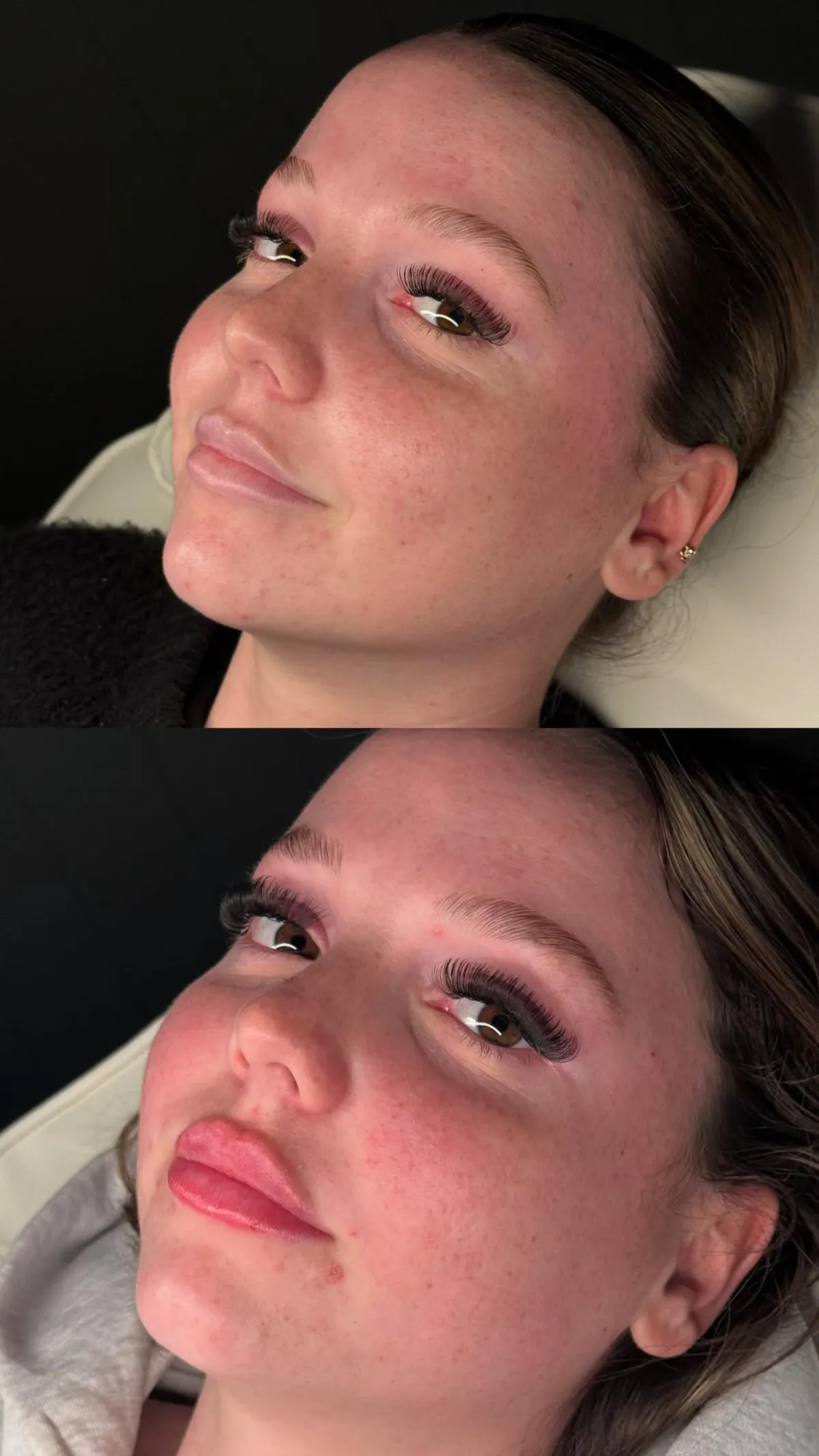
Considering your options?
Everyone’s skin changes differently, and the right approach depends on your individual concerns, lifestyle, and goals. A personalised consultation is the best way to assess your skin and discuss which treatments — if any — may be suitable for you.